Share This Pattern :
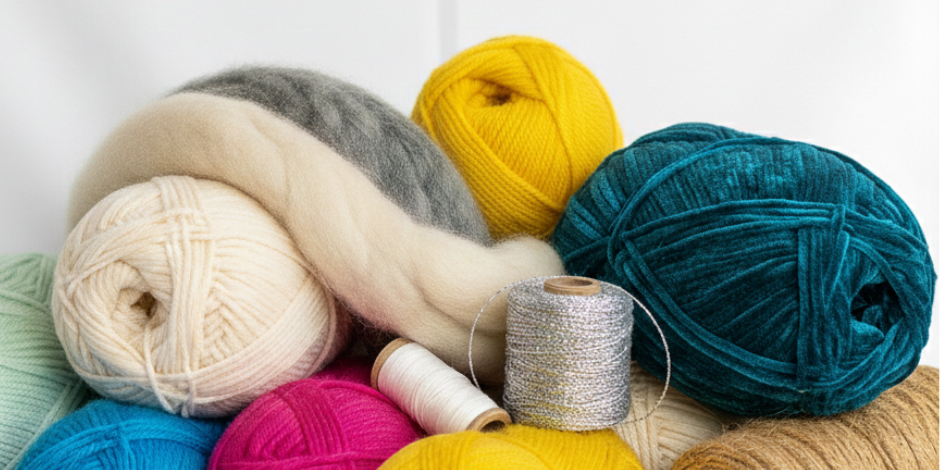
Choosing the right yarn makes the difference between a project that turns out exactly as planned and one that disappoints. Your yarn choice affects everything from how the finished piece looks and feels to how long it lasts and how you care for it.
This guide breaks down the most common crochet yarn types, explains yarn weights, and helps you match the right fiber to your specific project needs.
Understanding Yarn Weight
Yarn weight refers to the thickness of the yarn strand, not how much it weighs. The Craft Yarn Council uses a numbered system from 0 (finest) to 7 (thickest) to standardize yarn weights across all brands.
| Weight Category | Name | Hook Size (mm) | Hook Size (US) | Best Used For |
|---|---|---|---|---|
| 0 | Lace | 1.5-2.25mm | Steel 6-8 | Delicate doilies, fine lace shawls |
| 1 | Super Fine/Fingering | 2.25-3.5mm | B-1 to E-4 | Baby clothes, socks, lightweight accessories |
| 2 | Fine/Sport | 3.5-4.5mm | E-4 to 7 | Baby items, summer garments, detailed work |
| 3 | Light/DK | 4.5-5.5mm | 7 to I-9 | Light sweaters, year-round projects |
| 4 | Medium/Worsted | 5.5-6.5mm | I-9 to K-10.5 | Afghans, sweaters, accessories (most common) |
| 5 | Bulky/Chunky | 6.5-9mm | K-10.5 to M-13 | Quick blankets, thick scarves, winter items |
| 6 | Super Bulky | 9-15mm | M-13 to Q | Very fast projects, statement pieces |
| 7 | Jumbo | 15mm+ | Q and larger | Oversized blankets, arm knitting, giant projects |
Each yarn label shows the weight number in a skein icon, making it easy to identify at a glance.
Cotton Yarn
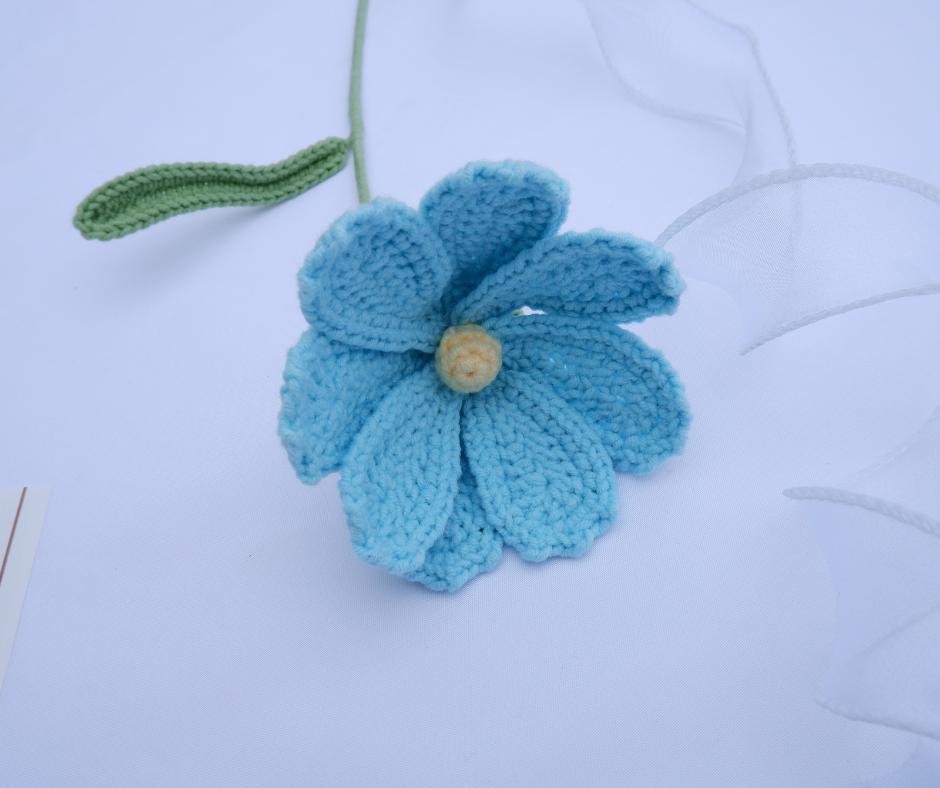
Best for: Kitchen items, summer clothing, flowers, amigurumi, baby items
Cotton is a plant fiber that creates crisp, structured fabric. The stitches hold their shape well and the fiber doesn’t stretch over time.
Cotton excels in warm weather because it’s breathable and absorbs moisture. This makes it perfect for dishcloths, hot pads, market bags, and summer tops. The fiber withstands hot water washing and can be machine dried without damage.
For crochet flowers and botanical projects, cotton’s firmness helps petals and leaves hold their curved shapes. Fine cotton thread works especially well for detailed floral designs.
Cotton gets heavy when worked into large pieces like full-size blankets. It also takes longer to air dry than synthetic fibers. The fiber provides no warmth, making it unsuitable for winter wear.
Care: Machine washable in hot water, tumble dry safe, can be ironed on high heat.
Cost: Moderate ($15-50 per skein depending on quality)
Acrylic Yarn
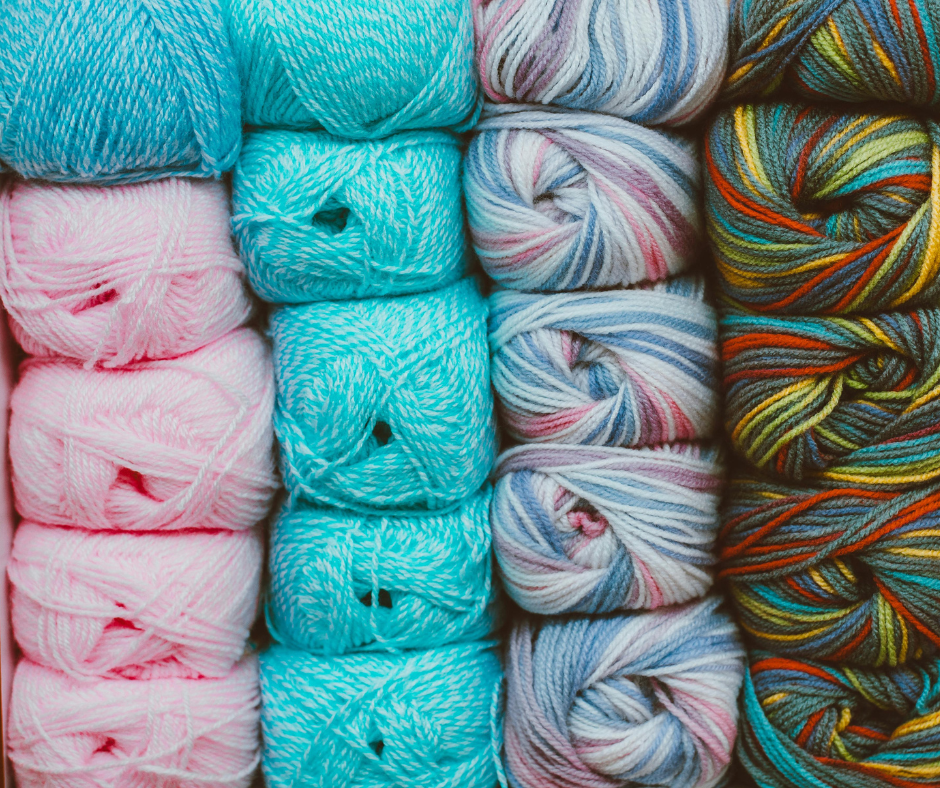
Best for: Blankets, amigurumi, practice projects, children’s items, budget-friendly projects
Acrylic is a synthetic fiber made from petroleum. It’s the most affordable and widely available yarn type, offering excellent value for large projects.
The fiber is lightweight, which keeps blankets from becoming too heavy. Acrylic comes in virtually unlimited colors and maintains color vibrancy through repeated washing. It’s machine washable and dryable, making it practical for items that need frequent cleaning.
Acrylic works exceptionally well for stuffed toys because it holds shape firmly and creates even, consistent stitches. The fiber doesn’t stretch, which helps amigurumi maintain their intended form.
The main drawbacks are poor breathability (can feel clammy during activity) and the fiber melts under high heat. Keep acrylic away from hot surfaces, irons, and open flames.
Care: Machine washable and dryable on low heat. Do not iron or expose to high heat.
Cost: Budget-friendly ($8-25 per skein)
Wool Yarn
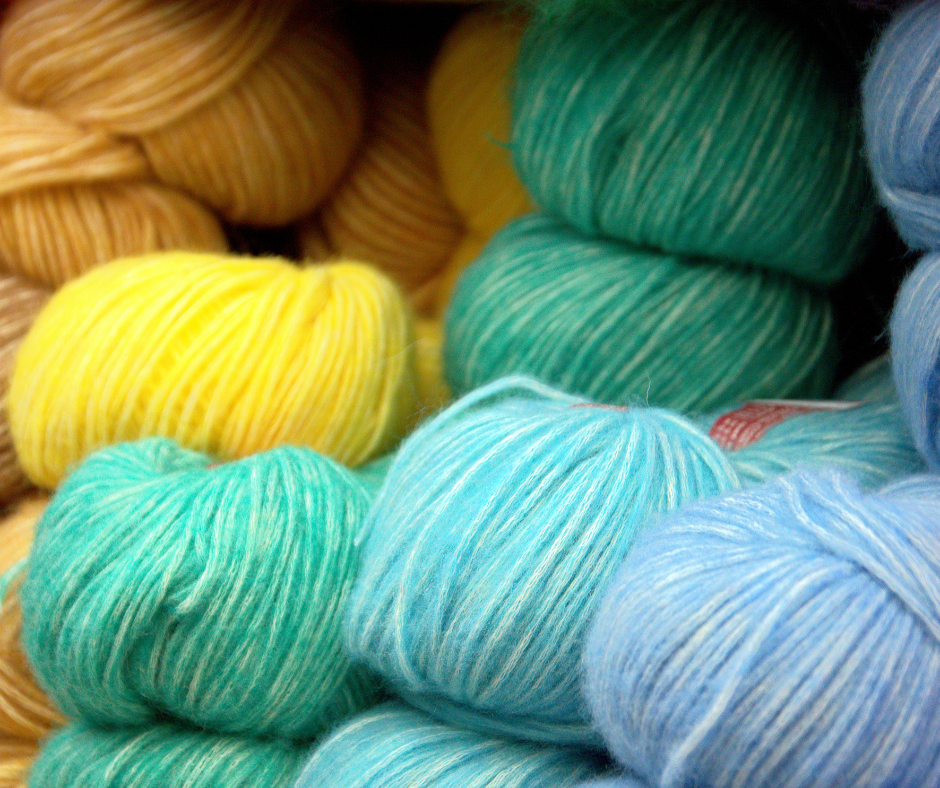
Best for: Winter clothing, warm accessories, blankets, socks
Wool comes from sheep and provides exceptional warmth while remaining breathable. The fiber has natural elasticity, meaning it stretches and returns to its original shape.
Wool regulates temperature effectively, keeping you warm without overheating. It maintains insulating properties even when damp, which synthetic fibers can’t match. The elasticity makes wool forgiving for beginners and excellent for fitted garments that need to move with your body.
Merino wool is softer than regular wool and suitable for items worn against sensitive skin. It’s become popular for base layers and baby items.
Traditional wool requires hand washing in cool water to prevent felting and shrinkage. Superwash wool has been treated to allow machine washing, though it may stretch more than untreated wool.
Care: Hand wash in cool water with wool-specific detergent. Dry flat. Superwash wool can be machine washed on gentle cycle.
Cost: Moderate to high ($25-80 per skein)
Polyester Yarn
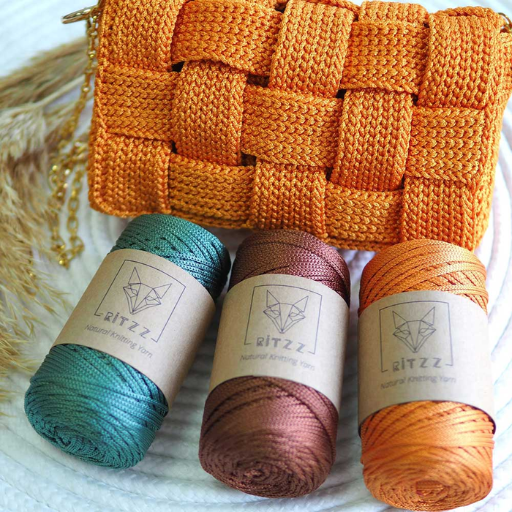
Best for: Outdoor items, durable toys, purses and bags
Polyester is a synthetic fiber known for exceptional durability and colorfastness. It resists fading from sunlight better than most fibers, making it suitable for outdoor cushions and items displayed in sunny locations.
The fiber dries very quickly and resists wrinkles and shrinking. Polyester maintains its appearance through heavy use and frequent washing.
Care: Machine washable and dryable. Avoid heat.
Cost: Budget to moderate ($10-35 per skein)
Silk Yarn
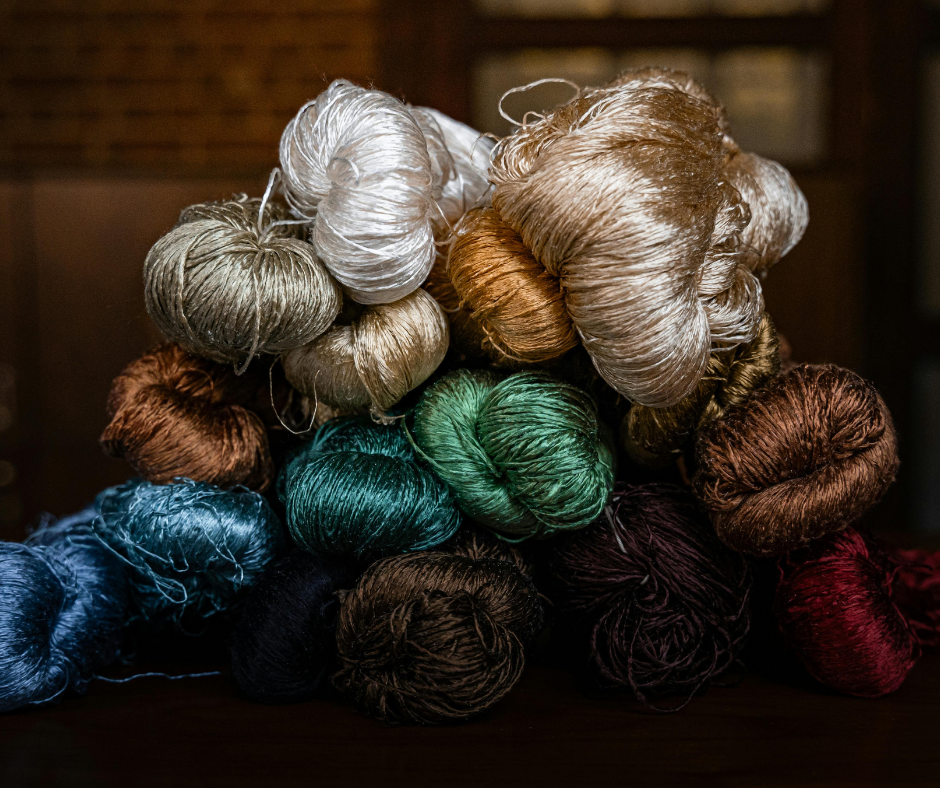
Best for: Special occasion shawls, elegant accessories, blending with other fibers
Silk is a protein fiber from silkworm cocoons. It has natural luster and exceptional strength despite its delicate appearance.
The fiber regulates temperature well, staying cool in summer and providing warmth in winter. Silk takes dye beautifully, creating rich, deep colors.
Pure silk has minimal elasticity, making even tension crucial. Many crocheters use silk blended with wool or other fibers rather than pure silk.
Care: Hand wash only in cool water with silk-specific detergent. Never wring. Dry flat away from direct sunlight.
Cost: High ($60-150+ per skein)
Raffia Yarn
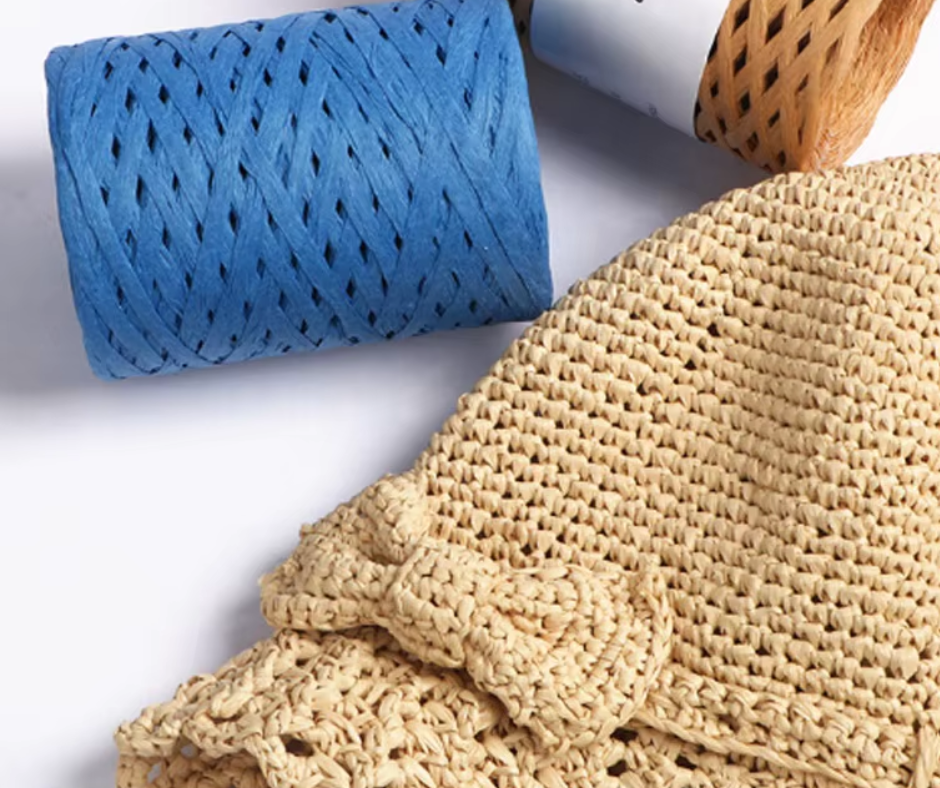
Best for: Baskets, bags, rustic home décor, beach bag and hats.
Raffia is a natural fiber from palm leaves. It has a smooth, ribbon-like texture that creates a distinctive woven appearance.
The fiber is lightweight and naturally water-resistant, making it popular for beach bags and summer accessories. Raffia comes in natural tan/beige colors and also dyed versions.
Raffia creates structured items that hold their shape well. The material works beautifully for sun hats, market bags, and decorative baskets with a coastal or bohemian aesthetic.
The fiber can be stiff to work with and may irritate hands during long crochet sessions. It’s not suitable for clothing items worn against skin.
Care: Spot clean only with damp cloth. Avoid soaking in water.
Cost: Budget to moderate ($12-30 per skein)
Cashmere Yarn
Best for: Special gifts, luxury accessories, heirloom pieces
Cashmere comes from cashmere goats and represents the softest natural fiber available. Each goat produces only 4-6 ounces annually, explaining the high cost.
The fiber provides exceptional warmth despite being lightweight. It feels noticeably softer than even fine merino wool.
Cashmere requires gentle handling and careful washing. Most crocheters encounter cashmere in blends rather than pure form to improve workability and reduce cost.
Care: Hand wash gently in cool water. Handle carefully to maintain softness.
Cost: Very high ($80-200+ per skein)
Raffia is a natural fiber from raffia palm leaves. It has a smooth, ribbon-like texture that creates a distinctive woven appearance.
The fiber is lightweight and naturally water-resistant, making it popular for beach bags and summer accessories. Raffia comes in natural tan/beige colors and also dyed versions.
Raffia creates structured items that hold their shape well. The material works beautifully for sun hats, market bags, and decorative baskets with a coastal or bohemian aesthetic.
The fiber can be stiff to work with and may irritate hands during long crochet sessions. It’s not suitable for clothing items worn against skin.
Care: Spot clean only with damp cloth. Avoid soaking in water.
Cost: Budget to moderate ($12-30 per skein)
Mohair Yarn
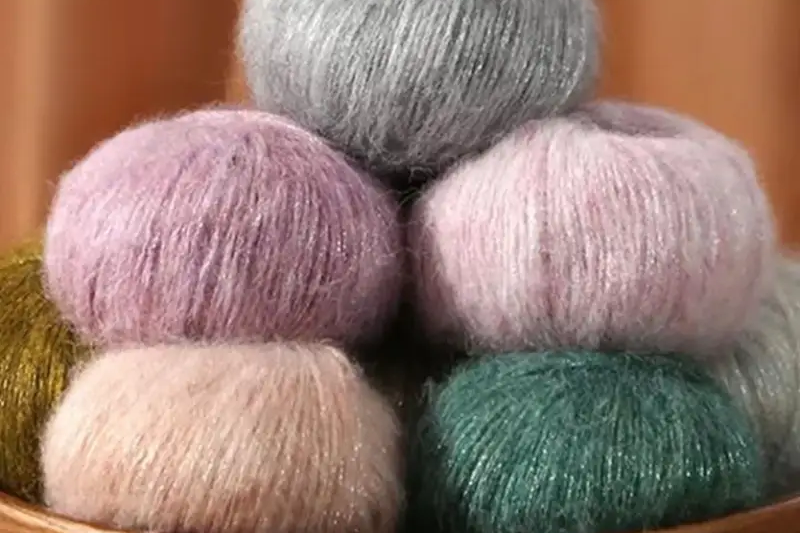
Best for: Lacy shawls, fuzzy accessories, adding texture
Mohair comes from Angora goats and creates yarn with a distinctive fuzzy halo around the strand. This creates soft, airy fabric perfect for delicate shawls.
The fiber takes dye well and has natural luster. Kid mohair from young goats is softer than adult mohair.
Mohair’s fuzziness makes individual stitches hard to see while working. Mistakes are difficult to fix without disrupting the halo.
Care: Hand wash in cool water. Dry flat.
Cost: Moderate to high ($35-70 per skein)
Chenille Yarn
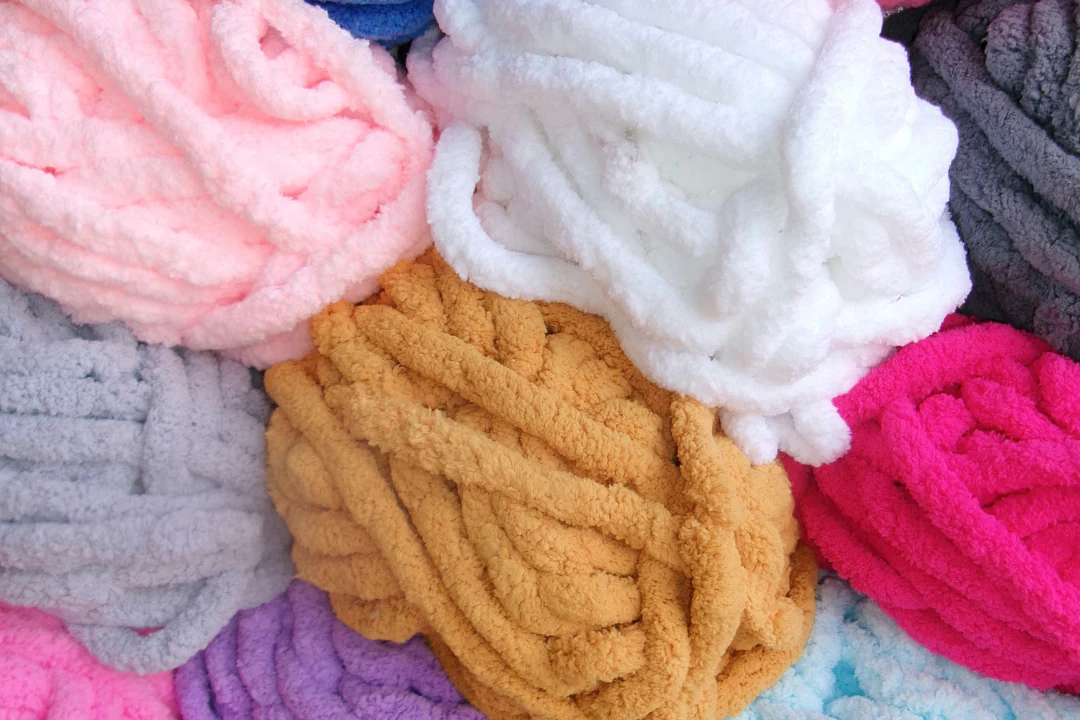
Best for: Plush blankets, soft toys, decorative pillows
Chenille yarn has short fibers projecting from a core strand, creating velvety texture. The result is fabric that feels luxurious and looks plush.
Working with chenille presents challenges because the yarn twists easily and the fuzzy surface makes stitches hard to see. Pulling out rows can fray the yarn.
Despite difficulties, chenille creates stunning baby blankets and decorative items worth the extra effort.
Care: Depends on fiber content. Check label. Most are machine washable.
Cost: Moderate ($15-40 per skein)
T-Shirt Yarn
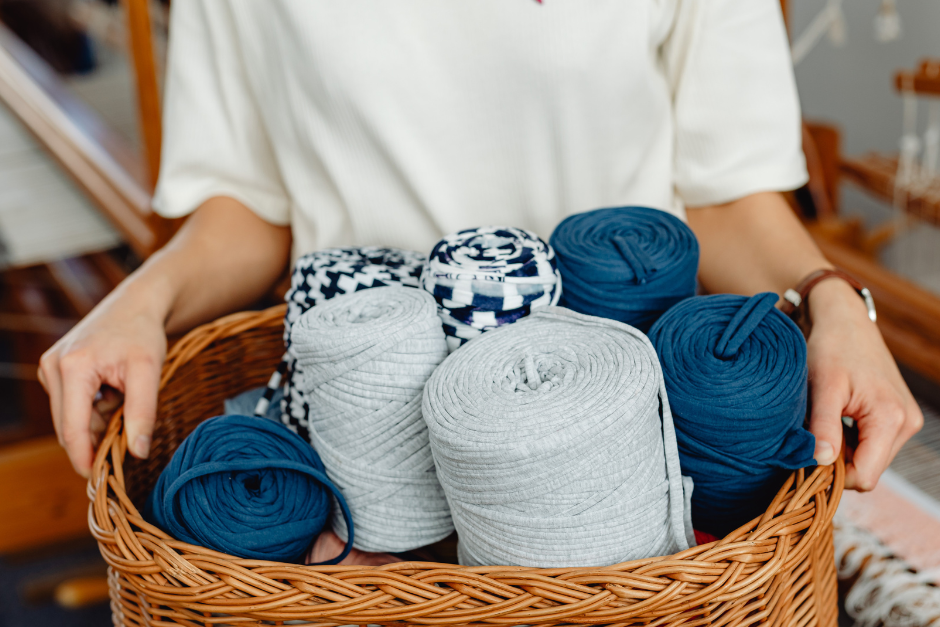
Best for: Storage baskets, bath mats, sturdy bags, quick projects
T-shirt yarn consists of strips of cotton jersey fabric, creating super-bulky material that works up extremely fast. Projects finish in hours rather than days.
The thickness requires very large hooks (9 mm-12mm+) and creates bold, modern texture. The resulting items are machine washable and highly durable.
Care: Machine washable and dryable.
Cost: Moderate ($20-50 per large ball)
Metallic and Sparkle Yarn
Best for: Party accessories, holiday decorations, adding accents
These specialty yarns incorporate shiny elements for eye-catching shimmer. True metallic yarn contains metal-coated fibers, while sparkle yarns mix metallic strands with soft fibers.
The shine can make these yarns stiff and uncomfortable for long crocheting sessions. They work best as accents rather than main materials.
Care: Hand wash to preserve shine and prevent snagging.
Cost: Varies ($12-40 per skein)
Blended Yarns
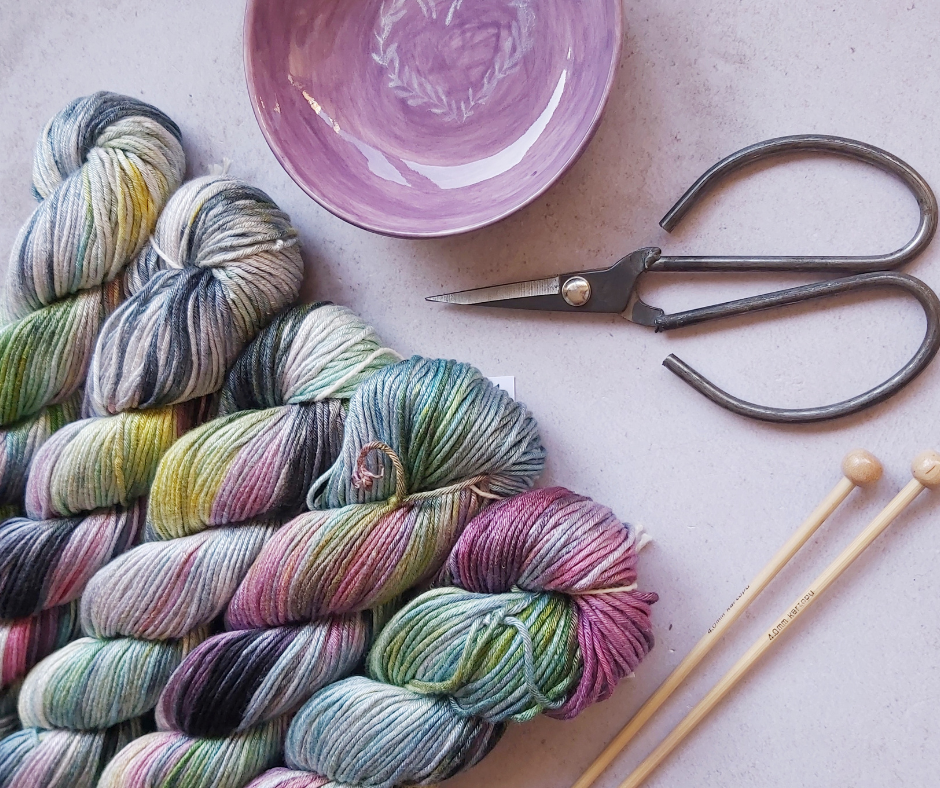
Manufacturers blend different fibers to combine beneficial properties:
Cotton-Acrylic Blends: Natural feel with easy care. Good for baby items and summer wear that need frequent washing.
Wool-Acrylic Blends: Warmth at affordable prices with easier care than pure wool. Popular for winter accessories.
Wool-Silk Blends: Luxury with more workability than pure silk. Creates elegant fabric with good drape.
Cotton-Linen Blends: Summer perfection with better softness than pure linen and less weight than pure cotton.
Choosing Yarn for Specific Projects
Blankets and Afghans
Baby blankets: Soft acrylic or cotton for machine washability. Avoid wool unless recipients will hand wash.
Adult throws: Wool or wool blends for temperature regulation. Cotton-acrylic for year-round use.
Bed blankets: Acrylic for affordability in large sizes. Wool for heirloom quality.
Weight recommendations: Worsted (4) for good balance, bulky (5-6) for quick completion.
Garments
Sweaters: Wool or wool blends for warmth and elasticity. Merino for softness.
Summer tops: Cotton, bamboo, or linen for breathability.
Socks: Wool-nylon blends (75-80% wool, 20-25% nylon) for warmth and durability.
Shawls: Silk, bamboo, or fine merino for drape. Lace or fingering weight.
Hats: Wool or soft acrylic. Avoid scratchy fibers that irritate forehead.
Amigurumi and Toys
Best choice: Acrylic for even stitches, shape retention, and washability.
Luxury option: Velvet or chenille for ultra-soft huggable toys.
Weight: Worsted (4) or sport (2-3) depending on desired size. Use smaller hook than recommended to create tight fabric.
Kitchen Items
Dishcloths and pot holders: 100% cotton only. Synthetics melt on hot surfaces.
Market bags: Cotton or cotton-linen for structure that doesn’t stretch.
Baskets: T-shirt yarn or jute for sturdy structure.
Yarn Care Basics
Natural Fibers
Wool: Hand wash in cool water with wool wash. Never wring. Dry flat. Superwash wool can be machine washed on gentle cycle.
Cotton: Machine washable in warm/hot water. Tumble dry safe. Can be ironed.
Silk: Hand wash only in cool water. Never wring. Dry flat away from sunlight.
Linen: Machine washable. Tolerates hot water. Wrinkles easily.
Synthetic Fibers
Acrylic: Machine washable and dryable on low heat. Never iron (will melt).
Polyester: Machine washable and dryable. Avoid high heat.
Blocking
Blocking improves finished appearance by evening out stitches and opening up lace patterns. Wet blocking involves pinning damp items to shape on blocking boards. Steam blocking uses steam iron held above fabric to relax fibers.
Storage
Store wool in sealed containers with moth deterrents. Fold heavy items rather than hanging to prevent stretching. Keep all yarn in cool, dark, dry locations.
Frequently Asked Questions
What’s the best beginner yarn?
Worsted weight acrylic in a light color. Easy to see stitches, affordable for practice.
Can I substitute different yarn?
Yes, if you match the weight category and gauge. Fiber differences will affect appearance and feel.
How much yarn for a blanket? Baby blanket: 1200-1500 yards. Throw: 2000-2500 yards. Full size: 3000-4000+ yards.
What does superwash mean?
Wool treated to prevent felting, allowing machine washing.
Is expensive yarn worth it?
For special projects and gifts, yes. For practice and large budget projects, no.
The right yarn choice depends on your specific project needs, care requirements, and budget. Cotton excels for kitchen items and summer wear. Acrylic offers affordability and easy care for blankets and toys. Wool provides unmatched warmth for winter items. Specialty fibers add luxury to special projects.
Start by trying different fibers in small projects to learn their properties firsthand. Keep yarn labels with notes about performance. Join crochet communities to learn from others’ experiences.
Understanding yarn types transforms you from following patterns blindly to making informed decisions that produce better results. Each project teaches you more about which fibers work best for your specific needs and preferences.
I’d Love to see your finished product.
join our Facebook group
Follow us on
Subscribe to our YouTube Channel for more tutorials
Happy crocheting!


1 Comment